语法
语法 level
level 1
- [ ] Present Simple: To Be
- [] There is/are
- [✓] Possessives
- [ ] Articles: A An The
- [ ] This That These Those
- [ ] Present Simple
- [ ] Can / Can't / Have to / Don't have to
- [ ] Prep: In, At, On
- [ ] Past Simple: To Be
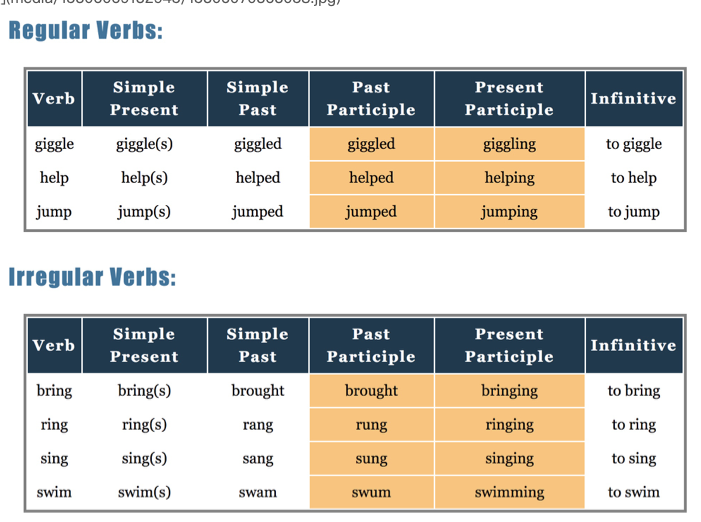
- [ ] Past Simple: Regular Verbs
- [ ] Past simple: Irregular Verbs
- [ ] Present Continuous
- [ ] Present Simple or Continuous?
- [ ] Countable and Uncountable
- [ ] Future with Going To
- [ ] Comparative Adjectives
- [ ] Superlative Adjectives
- [ ] Adverbs
- [ ] Present Perfect: Verb be
- [ ] Present Perfect: Other Verbs
- [ ] Present Perfect or Past Simple?
level 2
- [ ] Present Continuous For Future Use
- [ ] Will or Going To?
- [ ] Linking Words: Reasons and Results
- [ ] Linking Words: Organizing, Summarizing
- [ ] Linking Words: Contrasting Ideas
- [ ] Simple Past and Past Continuous
- [ ] Present Perfect + Ever / Never
- [ ] Present Perfect + Yet / Already / Just
- [ ] Present Perfect + For / Since
- [ ] Present Perfect Simple / Continuous
- [ ] Comparative Adjectives: Not as .. as
- [ ] Comparative Adjectives: Quantifiers
- [ ] Comparative or Superlative?
- [ ] So / Neither / Too
- [ ] Verbs + Infinitive or - ING
- [ ] Permission, Obligation, Prohibition
- [ ] Prepositions of Time
- [ ] Prep. of Place
- [ ] Prep of Movement
- [ ] Relative Clauses
- [ ] Word Order: Asking Questions
- [ ] Direct and Indirect Questions
- [ ] Two Forms of "Used to"
- [ ] Too and Enough
- [ ] Some / Any / No
- [ ] Subject-Verb Agreement
- [ ] First Conditional
- [ ] Second Conditional
- [ ] Should / Could / Would
- [ ] Past Perfect
- [ ] Present Perfect or Past Perfect?
- [ ] Passive Voice: Present / Past
- [ ] Reported Speech: Statements
- [ ] Reported Speech: Requests, Orders, Questions
动词时态
- 把 Be 动词当作动词来看,其后的分词试做
形容词补语来形容主语,不放在动词短语里面。 - 动词短语长的时候,里面一定会有 be 动词,如果把 be 动词抽离处理当做动词看待,那就只剩下 be 动词写的简单式和 hava been 写的完成式两种状态
- 现在分词有正在进行的意思 visiting clients
- 过去分词有被动的意思 introduced
简单式
过去简单 I was visiting clients the whole day yesterday
I was watching TV when I heard the doorbell
现在简单 All mothers love their children.
未来简单 There will be a major electron in March.
The building will be razed next month
完成式
现在完成 I'm sure I have seen this face somewhere.
We have been working overtime for a week to fill your order.
过去完成 I had been smoking three packs of cigarettes a day before I decided to quit.
未来完成 Next April,I will have worked here for 20 years.
一般过去式
To Be
- I/he/she/it was born in 1982.
- Was I/he/she/it a famous artist?
- Were you shy when you were a child? No, I wasn't.
Regular Verbs
- Mary didn't like the movie.
- Did you studied for the test
- Did you study for the test?
- I talked with my mother last night?
Irregular Verbs Infinitive - positive - negative
- Where were you last month? I was in France.
过去进行时 Past Continuous
Simple Past and Past Continuous
- I was needing to find a job.
- I needed to find a job.
现在完成时 present perfect
- To talk about experiences in the past, when we don’t know or don’t say exactly when the experience happened.
- To talk about an action or state that started in the past and continues to the present.
- Have you been to China?
- How long have you been married?
现在进行时 present continuous
Positive
- I am watching TV right now.
- It is raining today.
- We're thinking about you.
- They're playing basketball.
- I believe in God.
- I'm believing in God.
- She wants a soda.
- She is wanting a soda.
Negative/Questions
- I am not working at the moment.
- Are you writing a letter?
- Who are they talking to?
- How are you feeling today?
Future with Going To
Use going to to talk about future events, plans and predictions.
- I'm going to take a test tomorrow.
- we're gonna take a test tomorrow. [ in spoken english ]
present continuous For Future Use
- I’m having dinner with friends tonight.
- What are you doing on Saturday?
一般现在时
Be
- They're Aki and Yuta
- Are they from Australia?
- How old are you?
- She's 15.
- I'm 23 year's old.
There is / There are
- There are two pillows on the bed.
- Is there a window?
- No, there isn't.
Positive
- he/she/it works. 第三人称单数
- I/you/we/they work
- Dana studies English at school. 以y结尾
- She goes to cooking class on Sat. [-o -sh -s -ss -ch -x]
Negative
- I don't like coffee.
- John doesn't like pizza.
- Martha doesn't like to dance. [不是likes]
- Pete doesn't like bana
- John and David don't like milk.
Questions
- Do i/you/we/they live in a city? Yes, I do./ No, I don't.
- Does she live near the beach?
句子
初级句型 - 简单句
S: Subject V: Verb O: Object C: Complement
- S + V John Smith died.
- S + V + O John Smith killed three enemy soldiers.
- S + V + C John Smith is a soldier.
- S + V + O + O John Smith's father gave him a dog.
- S + V + O + C John Smith's father called him a dog.
中级句型 - 复句、合句
名词从句
副词从句
关系从句
对等从句
直接间接问句
Direct and Indirect Questions
Phrases for Indirect Questions • Could you tell me… • Do you know… • I was wondering… • Do you have any idea… • I’d like to know… • Would it be possible… • Is there any chance…
被动语态 Passive Voice: Present / Past
被动语态
间接引语 Reported Speech: Statements
间接引语 语句
直接说: I've been to London three times. 间接说: She said she'd been to London three times.
- I'll pick him up at the airport.
- She said she'd pick him up at the airport.
真实条件句 First Conditional
The first conditional (also called conditional type 1) is a structure used for talking about possibilities in the present or in the future.
第一条件句,又称真实条件句,主要用于陈述语气,假设的情况可能发生。 第一条件句中的动词应该用一般现在时代替一般将来时;用现在完成时代替将来完成时。
Second Conditional
Use the Second Conditional to talk about impossible, imaginary, or unlikely situations:
不可能的,虚构的
关系从句 relative Clauses
- There’s the restaurant. I ate at that restaurant last night.
- There's the restaurant where I ate last night.
Defining and Non-Defining Relative Clauses
- which 非定义 Extra 去掉句子意思完整
- that 定义 ESSENTIAL 重要的信息 去掉句子不完整
不定式
不定式 与 助动词 的共同点:
- 后面都要接动词原形
- 都具有不确定的语气
- 都要用完成式来表达相对的过去时间
- 所有重要的语气助动词,都可以改写成不定词
不定式 是 助动词 的变化,带有不确定的语气。
词
articles 冠词
a an the
- a, e, i, o, u: an
- an apple
- an ice cream shop
- a ball
- a hat
- I live in China
- I live in the China
- She likes the pizza.
- She likes pizza. 泛指
This That These Those
- This 1 thing near
- These 2+ things near
- Those 2+ things far
- 名词短语 包括 限定词 形容词 名词 三(3)个部分,任意一个部分都可能省略
- 如果名词短语中不用限定词,是因为该名词不适合加 a 或 an
- a 与 an 是 one 的弱化结果,而 the 是 that 或 those 的弱化结果
prep 介词
In, At, On
helping verbs 助动词
Auxiliary verbs are also known as 'helping verbs'.
- do/does/did
- be, do and have
adj. 形容词
比较级
Comparative Adjectives
- Ben is younger than Phil.
- I'm older than my brother.
- An elephant is bigger than a cat. [ vowel + consonant]
- Maria is happier than Dave. [ consonant + y ]
- A car is more expensive than a computer [ 3+ syllables]
- One mile is farther than one kilometer [不规则形容词]
最高级
Superlative Adjectives 最高级 compare 3+ things
- good -> the best
- Bad -> the worst
- Expensive -> the most expensive
- Easy -> the easiest
- Big -> the biggest
Superlatives are often used with the present perfect + ever:
- Jan is the friendliest person I've ever met.
- Australia is the farthest I've ever traveled.
词的顺序 Word Order
QUASM model Question word / Auxiliary verb / subject / main verb
现在分词 过去分词
其他
Can/Can't Must/Mustn't Have to/Don't have to
- You (have to)/must stop here.
- You don't have to pay for the food.